Introduction: The Rise of Vibe Coding in AI Development
A few years ago, building software required writing thousands of lines of code manually. Developers spent hours debugging, searching documentation, and structuring backend logic.
Today, a new concept called vibe coding is changing how developers build applications.
The term gained attention after AI researcher Andrej Karpathy described a workflow where programmers collaborate with AI instead of writing every line themselves. Developers explain what they want to build, and AI tools generate or modify the code.
This shift is happening quickly. According to GitHub, more than 90% of developers now use AI coding assistants in their workflow. Research from McKinsey & Company suggests generative AI could automate up to 50% of coding tasks in the coming decade.
For startups, agencies, and developers, this approach means faster development, quicker testing, and lower costs.
What Exactly Is Vibe Coding
Vibe coding is an AI-assisted programming workflow where developers collaborate with intelligent tools to generate, edit, and optimize code.
Instead of focusing heavily on syntax, developers guide AI with prompts and instructions.
A typical vibe coding workflow includes:
- Describing the desired feature
- Letting AI generate initial code
- Reviewing and refining the output
- Iterating quickly with prompts
This method allows developers to focus on logic, architecture, and product goals, while AI handles repetitive coding tasks.
Why Vibe Programming Is Becoming Popular
Faster Software Development
Traditional coding workflows can take weeks to develop complex features.
With AI-powered development tools, developers can generate components, APIs, or functions instantly. This enables teams to build prototypes faster and release products sooner.
Lower Development Costs
Startups and small businesses often struggle with engineering costs.
Using AI coding tools allows smaller teams to build sophisticated software without hiring large development teams.
Improved Developer Productivity
AI assistants help developers automate repetitive tasks such as:
- writing boilerplate code
- debugging common errors
- generating documentation
This allows developers to focus on solving real problems rather than repeating routine work.
Tools Commonly Used for Vibe Coding
Modern AI development relies on several intelligent tools.
Cursor AI Code Editor
One popular tool used by developers is Cursor.
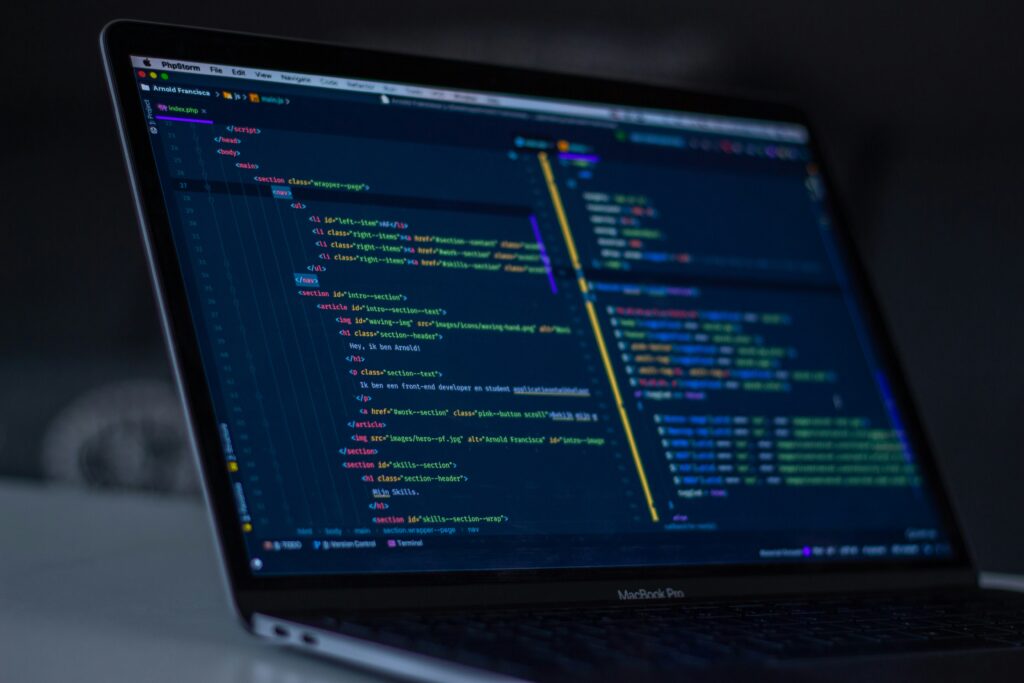
Cursor integrates AI directly into the development environment and allows developers to modify code through natural language prompts.
Key capabilities include:
- AI code generation
- automated debugging
- project-wide code analysis
- natural language editing
These features make it easier for developers to collaborate with AI while building applications.
Claude for AI Programming
Another tool frequently used in vibe coding workflows is Claude.
Claude helps developers:
- generate complex logic
- refactor code
- explain unfamiliar codebases
- create documentation
Many developers combine Cursor with Claude to build applications faster.
Is Vibe Coding Using AI?
Yes. Vibe coding relies heavily on AI language models that understand natural language and generate code.
Companies like OpenAI, Google, and Anthropic are building models capable of writing complex software.
These systems analyze prompts and produce working code in multiple programming languages.
Which Language Is Best for Vibe Coding?
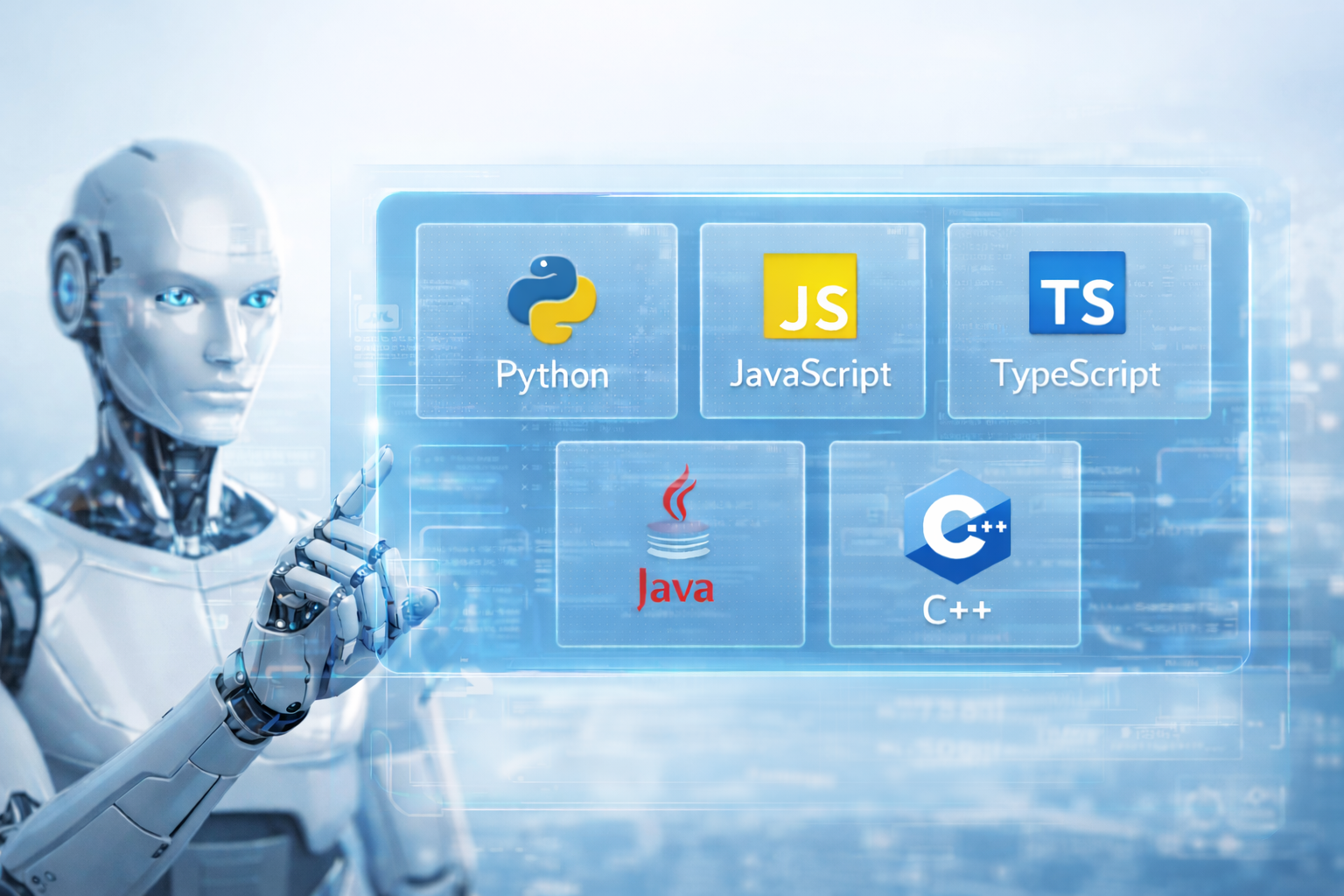
Most AI coding assistants support popular programming languages such as:
- Python
- JavaScript
- TypeScript
- Java
- C++
However, Python and JavaScript are often preferred because they are widely supported by AI coding tools and have large developer communities.
Is Vibe Coding Good for Beginners?
Yes, many beginners find vibe coding easier than traditional programming.
AI tools can:
- explain unfamiliar code
- suggest improvements
- guide developers through debugging
This makes learning programming faster and more interactive.
However, beginners should still learn fundamental concepts such as:
- algorithms
- data structures
- system design
AI works best when developers understand what the generated code is doing.
Is Vibe Coding Risky?
Like any technology, vibe coding has limitations.
AI Can Generate Incorrect Code
AI-generated code may include bugs or inefficient logic. Developers must always review and test outputs carefully.
Security Concerns
Automatically generated code may introduce vulnerabilities if not properly reviewed.
Experienced developers should always verify:
- security practices
- data handling
- performance optimization
Will Vibe Coding Replace Traditional Programming?
Many people ask whether AI will replace software developers. The short answer is no.
AI will change how developers work, but human expertise is still necessary for:
- system architecture
- problem solving
- complex engineering decisions
Instead of replacing programmers, AI will act as a powerful productivity tool.
How Developers Use Vibe Coding in Real Projects
A typical workflow looks like this:
Step 1: Describe the Feature
Example prompt:
“Build a dashboard that displays user analytics and conversion metrics.”
Step 2: Generate the Initial Code
AI creates:
- frontend components
- backend endpoints
- database structures
Step 3: Iterate With AI
Developers guide the AI to:
- fix bugs
- improve performance
- add new features
This iterative approach allows teams to experiment quickly.
Frequently Asked Questions
What exactly is vibe coding?
Vibe coding is an AI-assisted programming approach where developers collaborate with AI tools to generate and modify code through natural language instructions.
Is vibe coding free or paid?
Many AI coding tools offer both free and paid versions. Free plans usually include limited usage, while paid plans provide advanced features and higher usage limits.
Which AI is best for vibe coding?
Popular AI tools for coding include:
- Cursor
- Claude
- GitHub Copilot
- Amazon CodeWhisperer
Each tool offers different features depending on the development workflow.
Is AI pushing 75% of coding tasks?
Some industry experts believe AI may eventually automate a large percentage of coding tasks. However, human developers will still play a critical role in architecture and decision-making.
Is it too late to start learning coding?
No. Programming skills remain highly valuable, especially when combined with AI tools.
Developers who understand both software engineering and AI workflows will be in high demand.
Conclusion
The rise of vibe coding marks a major shift in software development.
Instead of writing every line of code manually, developers now collaborate with AI tools to generate and refine software faster than ever before.
For startups, agencies, and developers, this approach enables:
- faster product development
- lower engineering costs
- rapid experimentation
As AI technology continues to evolve, developers who learn how to work effectively with AI coding tools will have a strong advantage in the future of programming.