How It Works
The sprint runs over ten weeks, structured into five phases. Scope is agreed and documented before engineering begins

Contacts
J.B. Road, 43, Kanwachal Rd, near Maharishi Vidyamandir, Krishna Nagar, Chandmari, Guwahati, Assam 781003
MVP Sprint is a structured 10-week engineering engagement with a locked scope, a fixed price, and a team that has done this enough times to know where projects go sideways before they do.
MVP Sprint works best for funded founders — pre-seed or seed — who have a validated idea and know what v1 needs to do. Not founders still exploring the concept, but those who have had enough conversations with potential users or investors to understand what to build first.
The scope is defined. The timeline is real. The goal is a product that can go in front of investors or early customers at the end of ten weeks, not a prototype that holds together just long enough for a demo.
The engagement fits projects where the budget sits between $25,000 and $40,000 and where fixed-price billing matters more than the flexibility of an open-ended retainer. If you need to know the total cost before you start, that is how we work.
This engagement is not designed for enterprise organisations, for agencies looking to build under a white-label arrangement, or for projects with a total engineering budget under $20,000. If the primary need is ongoing maintenance rather than building something new, the structure of MVP Sprint does not apply. We would rather be clear about that upfront than take on a project that does not suit either side. If there is any uncertainty about whether MVP Sprint is right for your situation, the discovery call is the right place to work through it. We will give you an honest read — and if it is not the right fit, we will tell you what is.
The sprint runs over ten weeks, structured into five phases. Scope is agreed and documented before engineering begins
We align on goals, requirements, and scope before development begins. A signed scope document, feasibility review, and sprint plan are finalized to ensure clarity from day one
User flows are designed and the technology stack is selected based on the product’s specific needs. By the end of this phase, designs and technical architecture are fully defined.
Core product functionality is developed with continuous access to a staging environment. Progress is demonstrated through working features rather than status reports.
Secondary features, integrations, and refinements are completed while User Acceptance Testing is conducted. Issues are resolved before the product enters the launch phase.
The product is deployed to production and all code, documentation, and credentials are handed over. A 30-day support period ensures a smooth transition after launch.
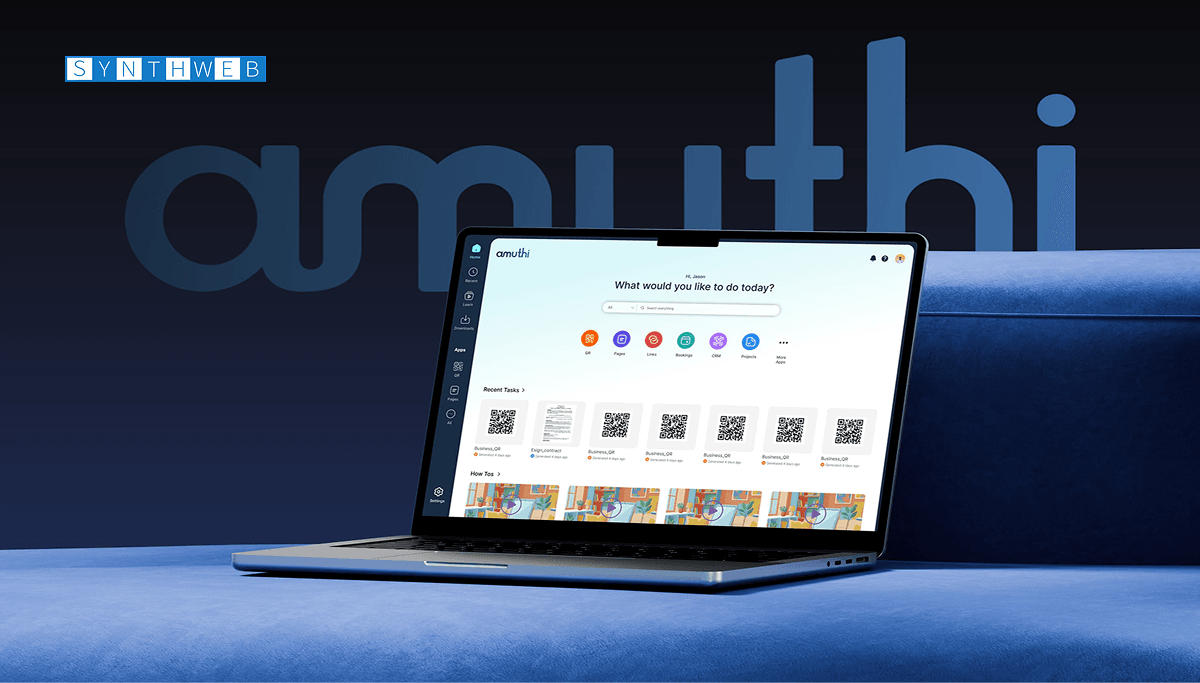
Amuthi is a mobile-first platform that helps service businesses get customers, collect payments, and manage relationships—all in one system without fragmentation.
Industry: Business Software (SaaS)
Our entire engineering tea designed our workflow for maximum overlap: default working hours provide 4–6 hours/day of overlap with the UK and 2–4 hours/day with the US East Coast. Weekly sync calls are scheduled to respect your timezone, while our core delivery remains “async-first” using Slack, Linear/Jira, and GitHub to keep momentum 24/7.
12:00 to 20:00 IST, which covers 07:30 to 15:30 GMT. Standups run within that window and the team is reachable on Slack throughout for anything that needs a quick answer or a decision.
All intellectual property transfers to the client on final payment. An IP assignment agreement is part of the project contract — the client owns the code, the designs, and the documentation from the moment the engagement closes.
Full codebase, credentials, and technical documentation are handed over at launch. For teams that want continued engineering capacity after that, our Engineering Pods service allows two to four of our senior engineers to embed directly into the client’s team — without the onboarding overhead, since they already know the product.
There is no default stack applied to every project. The technology decision is made in Phase 2 based on what the product needs, the scale being built for, and what makes sense for the team maintaining it after handover. The reasoning is documented — there are no black-box decisions to reverse-engineer later.
Yes, before any conversation where product or business details are shared.
Yes, whichever works best for the client’s setup.
Fixed price means fixed scope. If something material needs to change after the scope document is signed, we assess the impact and discuss it openly before anything shifts. We do not add charges without a conversation, but we also cannot absorb unlimited scope changes. We will always raise it before it affects cost or timeline.